
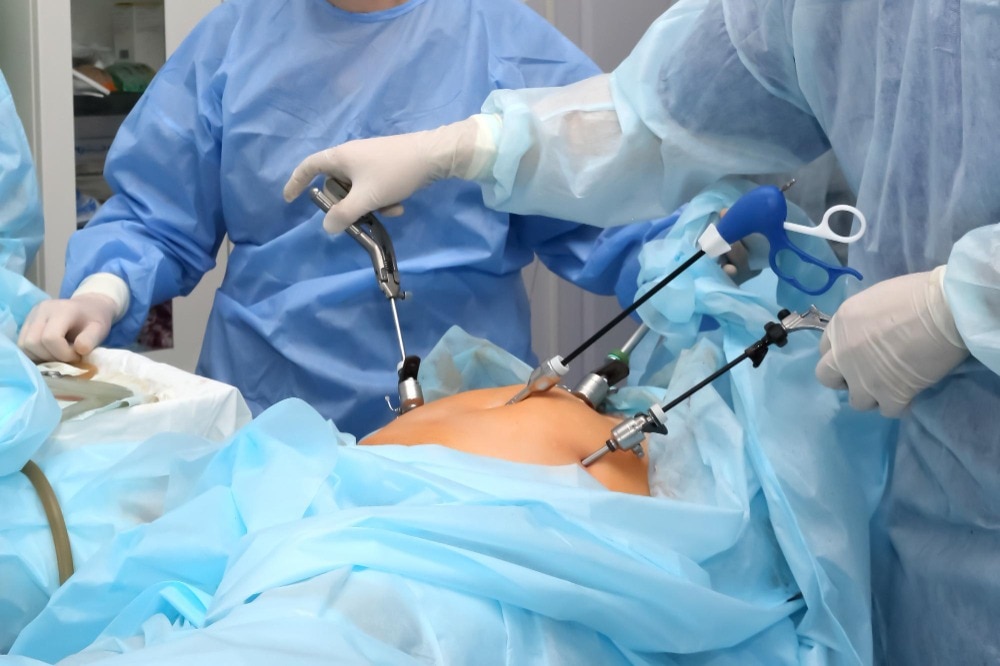
Laparoscopy is considered when a gynecological problem needs direct treatment or a clear diagnosis and can be managed safely through small abdominal incisions. By the end, you will know which findings support surgery, when hysteroscopy or open surgery is more suitable, what testing comes first, and which questions to ask before consenting.
Key takeaways
- Laparoscopy depends on symptoms, diagnosis, imaging, fertility plans and medical fitness.
- Diagnostic laparoscopy investigates pelvic conditions; operative laparoscopy treats them during the same procedure.
- Hysteroscopy treats problems inside the uterus, while laparoscopy reaches the pelvis through the abdomen.
- Ask about hospital backup, surgeon experience, alternatives, recovery time and reasons laparoscopy may be unsuitable.
When does a gynecological problem justify considering laparoscopy?
The decision depends on the diagnosis, symptoms, ultrasound or MRI findings, fertility plans, previous operations, medical fitness and hospital backup—not simply on living in Pimple Saudagar. A search for “when is gynecological laparoscopic for surgery considered in Pimple Saudagar” should lead to an individual assessment, not an automatic recommendation.
Common reasons to consider laparoscopy include:
- A persistent or symptomatic ovarian cyst
- Suspected or confirmed endometriosis
- Ongoing pelvic pain
- Infertility when blocked tubes or pelvic adhesions are suspected
- Selected fibroids
- Pelvic adhesions
- Ectopic pregnancy
- Hysterectomy or ovarian surgery for an appropriately selected patient
A simple, low-risk ovarian cyst often needs observation and repeat ultrasound, not surgery. Laparoscopy becomes more likely when the cyst persists, grows, causes symptoms, has complex features, raises torsion concerns or remains diagnostically uncertain.
Endometriosis surgery is considered when symptoms continue despite treatment, imaging shows disease, an endometrioma is present, or tissue diagnosis or operative treatment is needed.
An ectopic pregnancy requires urgent assessment. Rupture, heavy internal bleeding, fainting, severe one-sided pain or shoulder-tip pain require emergency care, not elective scheduling near Pimple Saudagar. Diagnostic laparoscopy may identify the cause; operative laparoscopy may treat it when the patient is stable and the facility is equipped.
For laparoscopic gynecology Pimple Saudagar, confirm that the proposed hospital has emergency anesthesia, blood, imaging and surgical backup. The expected benefit must outweigh general-anesthesia risks and possible conversion to open surgery.
What is the difference between diagnostic and operative laparoscopy?
The procedure uses general anesthesia, so you are asleep. The surgeon fills the abdomen with carbon dioxide to create working space, places a camera through a small incision near the navel, and inserts instruments through additional small ports.
Diagnostic laparoscopy answers a question that examination, ultrasound, or MRI has not resolved. It can investigate persistent pelvic pain, suspected endometriosis, blocked fallopian tubes, or pelvic adhesions. Operative laparoscopy adds treatment during the same procedure when it is safe and included in your consent.
| Diagnostic laparoscopy | Looks for the cause | Unexplained pain, suspected endometriosis, tubal blockage, or adhesions |
|---|---|---|
| Operative laparoscopy | Finds and treats the problem | Endometrioma, selected ovarian cyst, adhesions, endometriosis, ectopic pregnancy, tube repair or removal, selected fibroids, or hysterectomy |
| Open conversion | Uses a larger abdominal incision | Unsafe bleeding, poor visibility, dense adhesions, injury, equipment failure, or unexpected cancer |
Removed tissue may be sent to a pathology laboratory for microscopic diagnosis. Fertility goals need discussion before ovarian surgery: removing an endometrioma can reduce ovarian reserve and affect future fertility, so the expected benefit must be clear.
Conversion to open surgery is a safety decision, not proof that laparoscopy failed. Someone searching for a gynec laparoscopic surgeon Pimple Saudagar should ask how the proposed operation affects fertility and when conversion would be recommended.
How does laparoscopy compare with hysteroscopy, vaginal surgery and open surgery?
Hysteroscopy is the right route for a problem inside the uterine cavity; laparoscopy is used when the ovaries, tubes or outer pelvic surfaces need treatment. Hysteroscopy passes through the vagina and cervix to remove an endometrial polyp, some submucosal fibroids or retained tissue.
It cannot replace abdominal laparoscopy for ovarian cysts, tubal disease or endometriosis outside the uterus.
| Route | Best fit | Main trade-off |
|---|---|---|
| Hysteroscopy | Cavity problems such as polyps, selected submucosal fibroids or retained tissue | Does not treat ovaries, tubes or external pelvic disease |
| Vaginal surgery | Vaginal hysterectomy when hysterectomy is appropriate and feasible | Avoids abdominal incisions, but is unsuitable for some anatomy or disease |
| Laparoscopy | Benign heavy bleeding, fibroids, endometriosis, adenomyosis or prolapse when vaginal hysterectomy is unsuitable or not preferred | Smaller abdominal incisions, but requires general anesthesia and carries internal-organ risks |
| Open abdominal surgery | Very large uterus or mass, extensive adhesions, suspected advanced cancer, major bleeding or unsafe port access | Larger incision, more pain and slower recovery |
Laparoscopy often brings less postoperative pain, a shorter hospital stay and faster recovery than equivalent open surgery. It still causes carbon-dioxide-related bloating, abdominal or shoulder-tip pain and fatigue, and carries risks to the bowel, bladder, ureter and blood vessels, plus blood clots.
A search for gynecological surgery pcmmc does not determine the safest route. The surgeon matches the operation to the diagnosis, anatomy and medical fitness. Conversion from laparoscopy to open surgery is a safety decision when bleeding, dense adhesions or poor visibility makes ports unsafe.
What happens before a decision is made, and when is laparoscopy unsuitable?
The decision starts with the suspected diagnosis, not the operation. Your clinician reviews symptom and menstrual history, performs a pelvic examination, checks pregnancy status when relevant, and orders blood tests, pelvic ultrasound, and MRI when ultrasound does not answer the question.
1. Bring previous operative reports and a complete medicines list, including aspirin, warfarin, apixaban and supplements that increase bleeding risk. Discuss alternatives, fertility goals, whether tissue will need pathology, and what happens if laparoscopy cannot safely continue.
2. Laparoscopy may be postponed or replaced when hysteroscopy better treats a uterine-cavity problem, or when an ectopic pregnancy causes instability and heavy bleeding.
It may also be unsafe with inability to tolerate general anesthesia or carbon-dioxide pneumoperitoneum, major cardiopulmonary disease, severe uncorrected bleeding risk, extensive adhesions, a very large uterus or mass, or suspected cancer.
3. These findings are risk-assessment issues, not automatic bans. The team may choose open surgery, additional imaging, stabilization, or another treatment after weighing the anatomy and available hospital backup. A diagnostic procedure can allow quick recovery; extensive endometriosis surgery, laparoscopic hysterectomy or cancer surgery can require much longer.
Before discharge, obtain written instructions for pain medicines, activity, follow-up and same-day warning signs. Seek urgent review for heavy bleeding, fainting, worsening abdominal pain, fever, breathlessness, chest pain, persistent vomiting or a swollen, hard abdomen.
A search for laparoscopic gynecology pimple saudagar should lead to a consultation that covers these decisions rather than promising surgery automatically.
How should you choose a laparoscopic consultation in Pimple Saudagar or PCMC?
A clinic’s location or search ranking does not prove surgical competence. If you search for a gynec laparoscopic surgeon Pimple Saudagar or laparoscopic gynecology Pimple Saudagar, use this checklist:
- Verify the clinician’s recognized obstetrics-and-gynecology qualification, current medical registration, laparoscopic training and experience with your specific operation, not laparoscopy in general.
- Ask what diagnosis is suspected, what procedure is planned, and which alternatives—including observation, medication, hysteroscopy or open surgery—fit your case.
- Ask about complication rates, the chance of conversion to open surgery, fertility implications, expected hospital stay, pain-control plan and whether same-day discharge is realistic.
- Confirm whether removed tissue goes to pathology, who explains the report, which warning symptoms require urgent review, and how follow-up is arranged.
- Confirm the operating facility in Pimple Saudagar or nearby PCMC areas has emergency anesthesia, blood, imaging and surgical backup.
| Diagnosis or plan | What to require in writing |
|---|---|
| Suspected condition | Named diagnosis and supporting ultrasound, MRI or examination findings |
| Operation | Exact procedure, surgeon’s name and facility |
| Recovery | Expected stay, discharge criteria and emergency contact |
“Gynecological surgery PCMMC” is not an operation or medical indication; the written plan must identify the diagnosis, procedure, surgeon and facility. Dr Sonal Patil-Best Gynecologist Pimple Saudagar can be considered for a local consultation about whether surgery is appropriate, while your final choice should follow individual assessment, procedure-specific experience and facility capability.
Related service
Gynec Laparoscopic Surgeon in Pimple Saudagar Gynec Laparoscopic Surgeon in Pimple Saudagar,Rahatani,PCMC Dr Sonal Patil is the Reliable Gynec Laparoscopic Surgeon in Pimple Saudagar, Rahatani, Pimple Nilakh and PCMC. View service → |
Frequently asked questions
When does a gynecological problem justify considering laparoscopy?
Consider laparoscopy when symptoms or findings suggest conditions such as endometriosis, ovarian cysts, adhesions, ectopic pregnancy or selected fibroids, and when examination and imaging do not provide enough information or treatment is needed. The decision also depends on fertility plans, previous operations and medical fitness.
What is the difference between diagnostic and operative laparoscopy?
Diagnostic laparoscopy uses a camera through a small abdominal incision to inspect the pelvis and identify a cause. Operative laparoscopy uses additional instruments to treat a problem, such as removing an ovarian cyst, dividing adhesions or treating endometriosis, when that procedure is appropriate.
How does laparoscopy compare with hysteroscopy, vaginal surgery and open surgery?
Laparoscopy enters the abdomen to reach the pelvis. Hysteroscopy passes a camera through the vagina and cervix to examine or treat the inside of the uterus. Vaginal surgery uses the vaginal route, while open surgery uses a larger abdominal incision and may be chosen for extensive disease, safety or surgical complexity.
When is gynecological laparoscopy unsuitable?
Laparoscopy may be unsuitable when severe medical illness makes anaesthesia unsafe, extensive disease requires another approach, or the hospital lacks suitable equipment and emergency backup. A consultation should review examination findings, ultrasound or MRI results, previous operations, medicines and fertility goals before choosing the route.
How should you choose a laparoscopic consultation in Pimple Saudagar or PCMC?
Choose a gynecological consultation that reviews your records, explains alternatives and names the proposed procedure, risks, recovery and possible need to convert to open surgery. Confirm where the operation will take place, who provides anaesthesia, and what emergency hospital support is available.
Keywords